


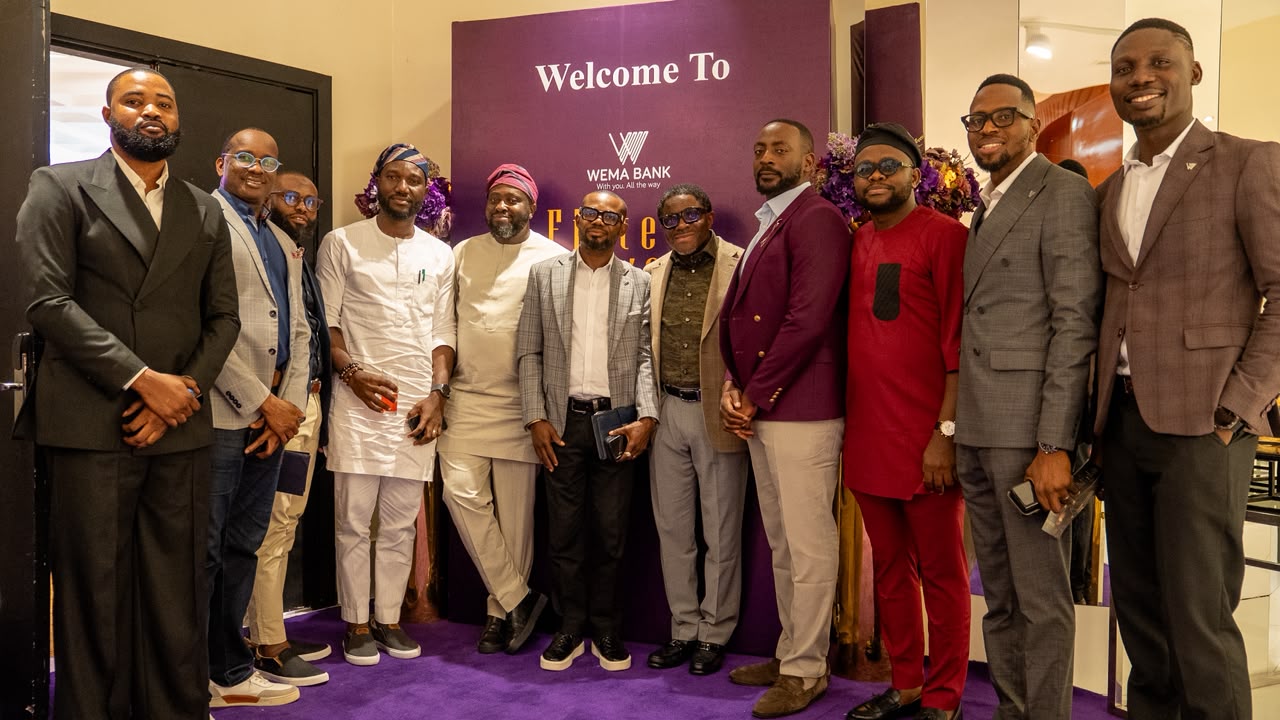
The Bank brought together fintech founders, technology partners, payment providers and key industry stakeholders for an evening of strategic engagement, celebrating longstanding relationships, appreciating the trust of its partners and reinforcing the collaboration that continues to shape the future of digital banking in Nigeria.

The engagement reflects the Bank’s broader commitment to building infrastructure that enables fintech businesses to scale efficiently, improve service delivery and drive innovation across the financial services landscape. With the increasing demand for seamless, reliable and scalable financial infrastructure, Wema Bank continues to strengthen its platforms and partnerships to meet the evolving needs of the ecosystem.
In the last 12 months, the Bank has processed over ₦18 trillion in transactions through its platforms, underscoring the scale at which it supports businesses and fintech operators. Its suite of solutions, including virtual accounts and payment APIs, continues to power collections, disbursements and real-time transaction visibility for a growing network of partners.

Speaking during the engagement, Wema Bank’s Deputy Managing Director, Oluwole Ajimisinmi, reaffirmed the Bank’s commitment to its partners and the role the Bank play in shaping the future of financial services.
“Our partners are not just customers; they are collaborators in building the future of financial services. We remain committed to providing the infrastructure, support and continuous innovation required to help them scale and succeed,” he said.
The engagement session provided a platform for open dialogue, enabling partners to share insights, explore emerging opportunities and provide feedback that will inform the Bank’s ongoing product and innovation roadmap.
As Nigeria’s oldest indigenous bank and a pioneer in digital banking, Wema Bank continues to invest in technology, partnerships and customer-focused innovation, reinforcing its role as a trusted partner to fintechs and a key contributor to the growth of the digital economy.